

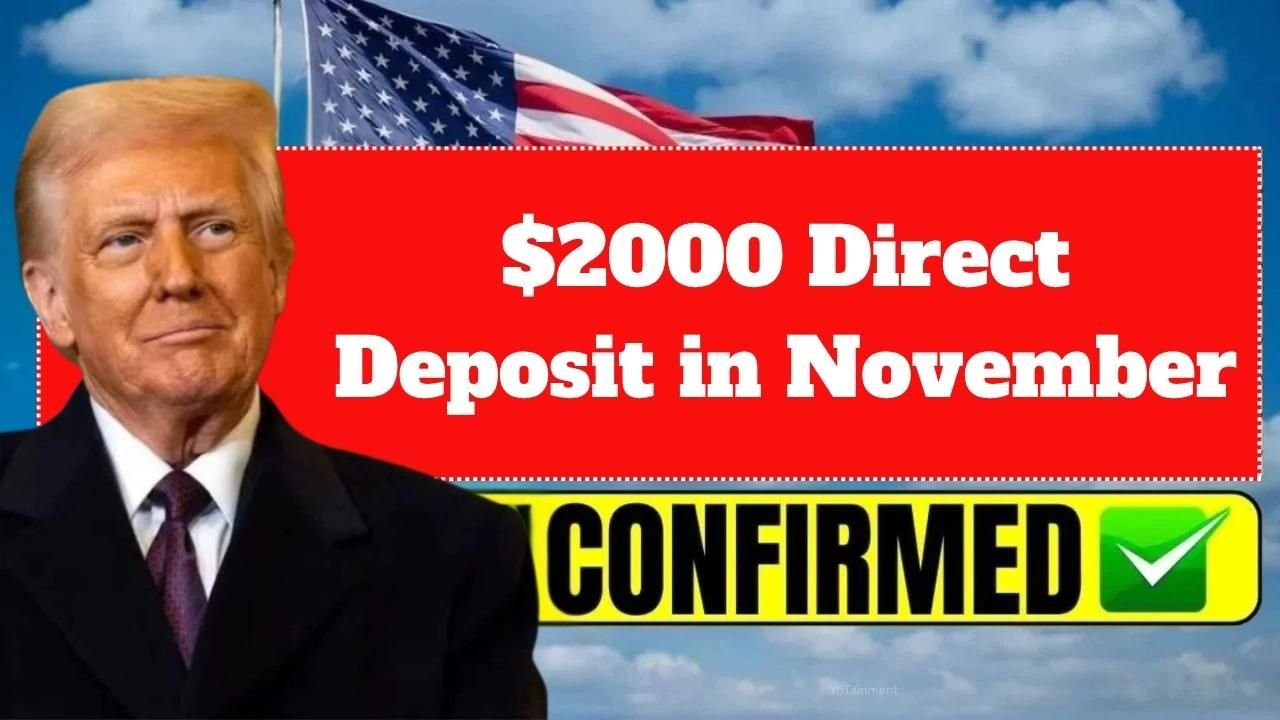
Rumors about a $2,000 IRS direct deposit arriving in November 2025 have been spreading quickly across social media. With the rising cost of living and memories of past stimulus programs, it’s easy to see why these claims gain attention.
But is the payment real?
What does the IRS actually require before sending any federal benefit?
This guide breaks down the facts—what’s real, what’s rumor, and how IRS payments truly work—so you can stay safe and avoid misinformation.
What Is the “$2,000 November Payment” People Are Talking About?
The idea came mostly from:
- Social media videos
- Community discussion groups
- Posts claiming “new federal relief is coming”
- Misunderstood proposals or political conversations
Some creators suggested that the federal government may provide a one-time deposit to help with inflation. However, no official IRS announcement or approved legislation currently supports this claim.
Important:
If the IRS ever approves a new payment, the information appears first on IRS.gov—not on TikTok, Facebook, or YouTube.
How the IRS Typically Issues Legitimate Federal Payments
Even though the $2,000 payment is not confirmed, understanding how IRS payments normally work makes it easier to identify real programs.
What IRS Instructions Usually Include
When a genuine payment is approved, the IRS provides:
- Clear eligibility rules
- How the payment amount is calculated
- How deposits and checks will be delivered
- Steps to verify identity
- Tools to update bank details or mailing addresses
These instructions are shared through official IRS notices, press releases, and IRS.gov updates.
How IRS Payment Schedules Normally Work
If Congress approves a payment, the IRS follows a predictable structure:
Typical Payment Roll-Out
- Direct deposits go out first
- Paper checks and debit cards follow later
- Payments often arrive in batches, depending on:
- Filing status
- Bank information on file
- Whether someone receives federal benefits
- Whether the IRS needs more documentation
Exact dates are never “leaked” online.
They are published publicly only after a program is officially approved.
How Eligibility Is Decided for IRS-Managed Payments
For any federal relief payment, eligibility depends on the law passed by Congress—not social media claims.
Common factors include:
| Eligibility Factor | How It’s Used |
|---|---|
| Income levels | Ensures the payment targets those who qualify |
| Filing status | Single, married, or head of household |
| Citizenship status | Usually requires a valid SSN |
| Most recent tax return | Determines where and how the IRS sends the payment |
| Non-filers | May need to use special IRS online tools |
The IRS never determines eligibility through text messages, DMs, or unofficial websites.
Why Misinformation About IRS Payments Spreads
Rumors grow fast during economic uncertainty. Some online posts:
- Misinterpret proposals that were never passed
- Confuse state rebates with federal programs
- Exaggerate benefits for clicks
- Attempt to steal personal information
This is why relying on official IRS communication is essential.
How to Stay Safe and Get Accurate IRS Updates
To protect yourself:
- Check IRS.gov for any payment announcements
- Avoid clicking links asking for bank or identity verification
- Use your IRS Online Account to keep your info updated
- Be skeptical of posts that claim “exclusive” or “early” payment dates
The IRS never contacts taxpayers through social media or text messages to confirm direct deposit details.
FAQs
1. Is the $2,000 IRS payment for November 2025 approved?
No. There is no official federal program providing a $2,000 payment in November 2025.
2. Can the IRS announce new payments later?
Yes. If Congress approves a new relief program, the IRS will publish details on IRS.gov.
3. How will I know if a future payment is real?
Check IRS.gov or official federal announcements—not social media posts.
4. Will I need to apply for IRS payments?
Most IRS-managed payments are automatic if you file taxes or receive federal benefits.
5. Does the IRS ever ask for bank info by phone or text?
No. The IRS does not request bank details through messages, calls, or social media.
Conclusion
The rumor about a $2,000 November 2025 direct deposit highlights how quickly misinformation spreads online. While no such payment exists today, knowing how IRS programs actually work helps you stay protected and prepared for any future announcements.
For accurate updates, rely on trusted, official sources—not viral posts. Staying informed is the best way to avoid scams and ensure you never miss benefits you’re truly eligible for.